The Science of Hair Regrowth: How Non-Surgical Treatments Are Ranked
If you've spent any time researching hair loss, you've met the marketing: "revolutionary," "clinically proven," "doctor-approved." But when the same treatments are actually ranked against each other using randomized clinical data, a very different picture emerges. This guide walks through the evidence hierarchy from the ground up — the same ranking used in clinical reviews of androgenetic alopecia.
The Monotherapy Hierarchy
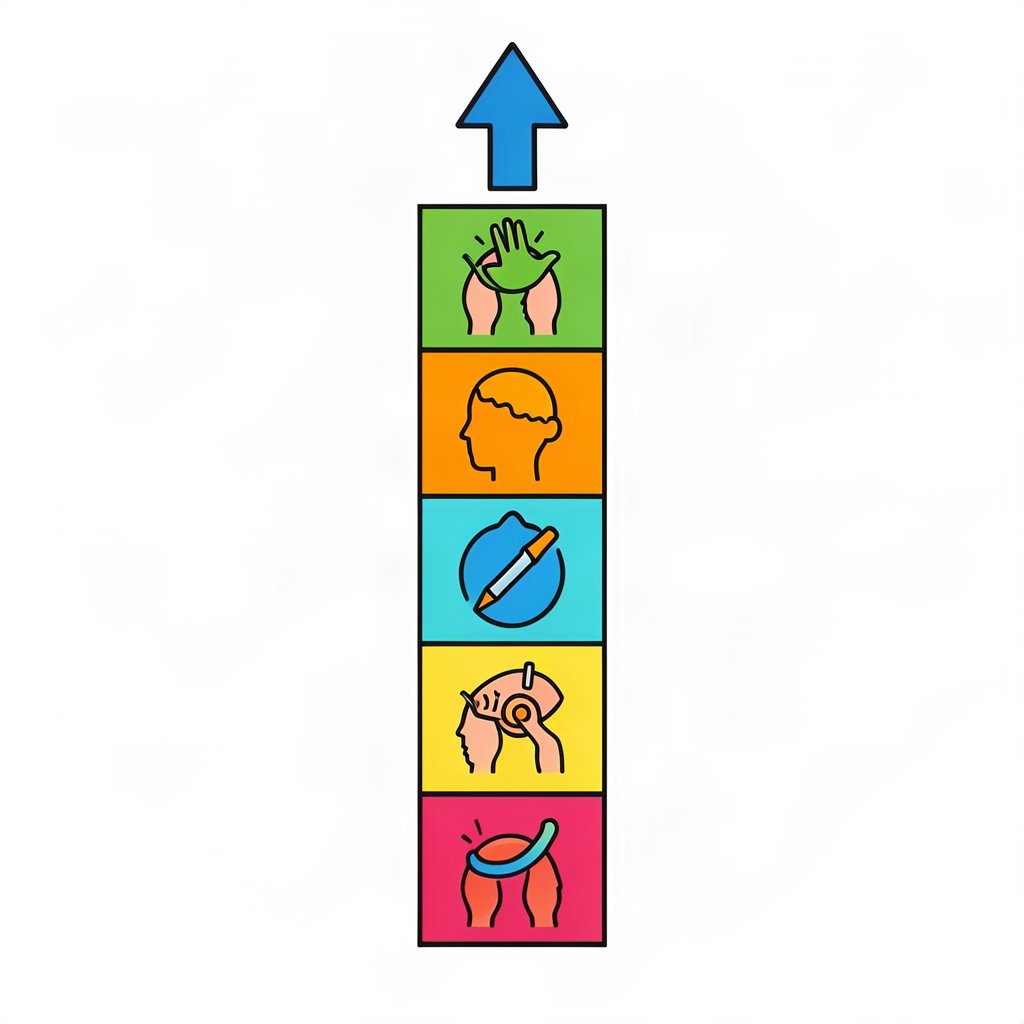
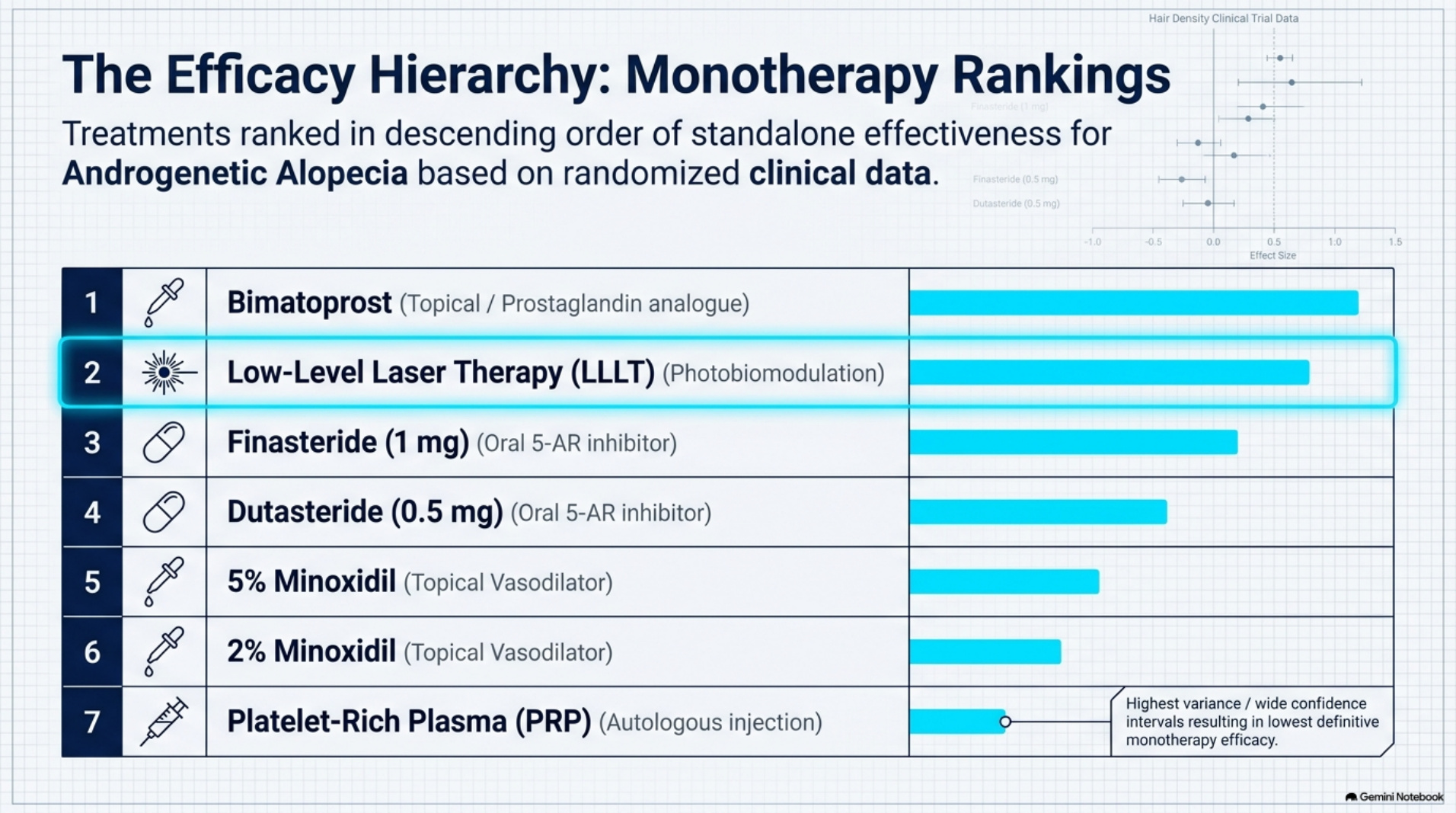
In descending order of standalone effectiveness for androgenetic alopecia, based on randomized clinical data: bimatoprost (topical prostaglandin analogue) leads, followed by low-level laser therapy (photobiomodulation), then the oral 5-alpha reductase inhibitors finasteride (1 mg) and dutasteride (0.5 mg), then topical 5% and 2% minoxidil. Platelet-rich plasma ranks last among the studied monotherapies — not because it doesn't work, but because its trials show the highest variance and widest confidence intervals.
The Photobiomodulation Engine
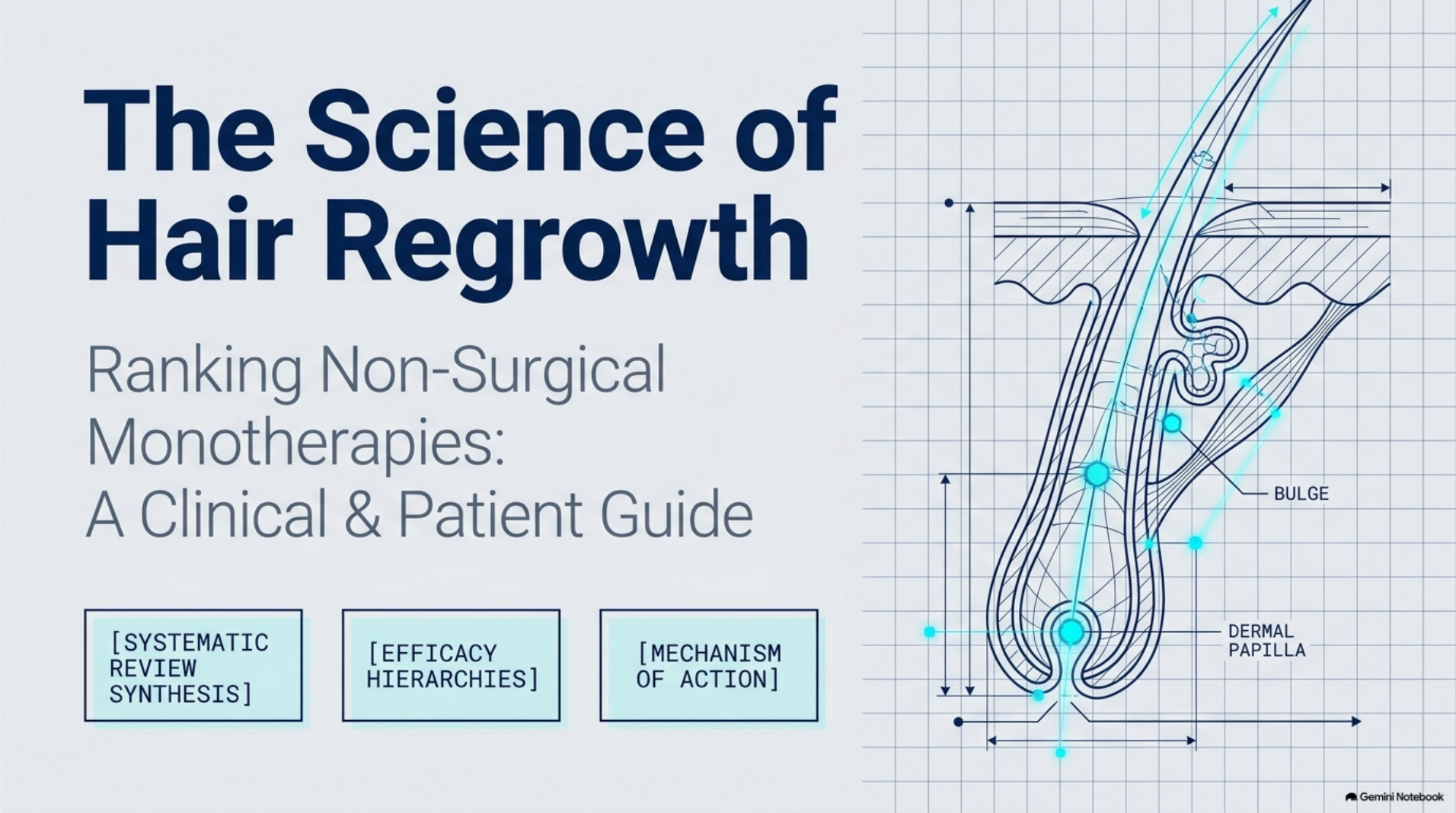
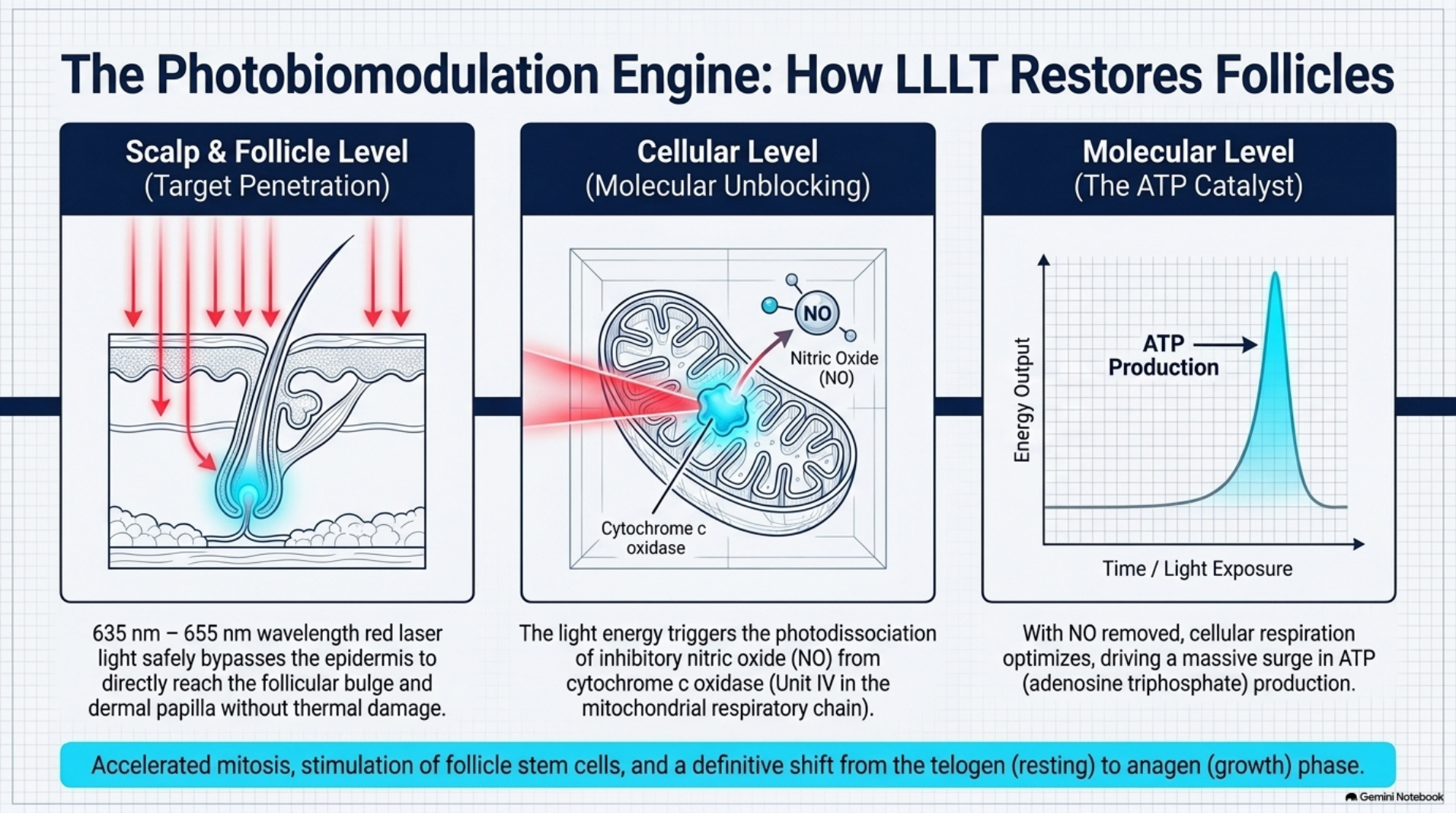
LLLT's mechanism is genuinely fascinating. Red laser light at 635–655 nm safely bypasses the epidermis to reach the follicular bulge and dermal papilla without thermal damage. There, the light triggers photodissociation of inhibitory nitric oxide from cytochrome c oxidase (Unit IV of the mitochondrial respiratory chain). With the NO removed, cellular respiration optimizes — driving a surge in ATP production that fuels follicle activity.
The Multiplier Effect: 5% Minoxidil + LLLT
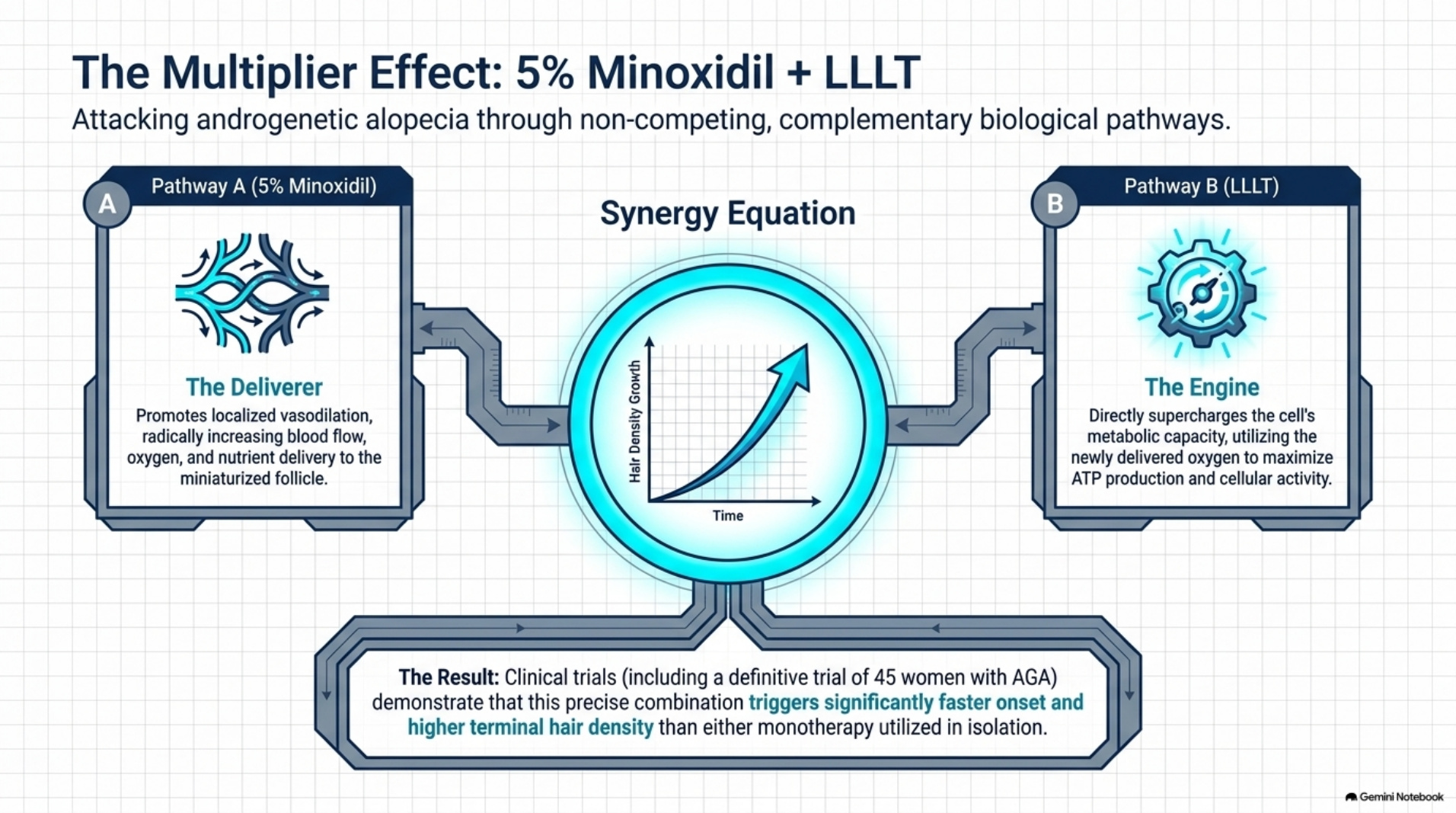
These two treatments attack the problem through non-competing pathways. Minoxidil is the "deliverer" — it promotes localized vasodilation, radically increasing blood flow, oxygen, and nutrient delivery to the miniaturized follicle. LLLT is the "engine" — it supercharges the cell's metabolic capacity to use that newly delivered oxygen. Clinical trials, including a definitive study of 45 women with androgenetic alopecia, show the combination triggers significantly faster onset and higher terminal hair density than either monotherapy alone.
Clinical Realities
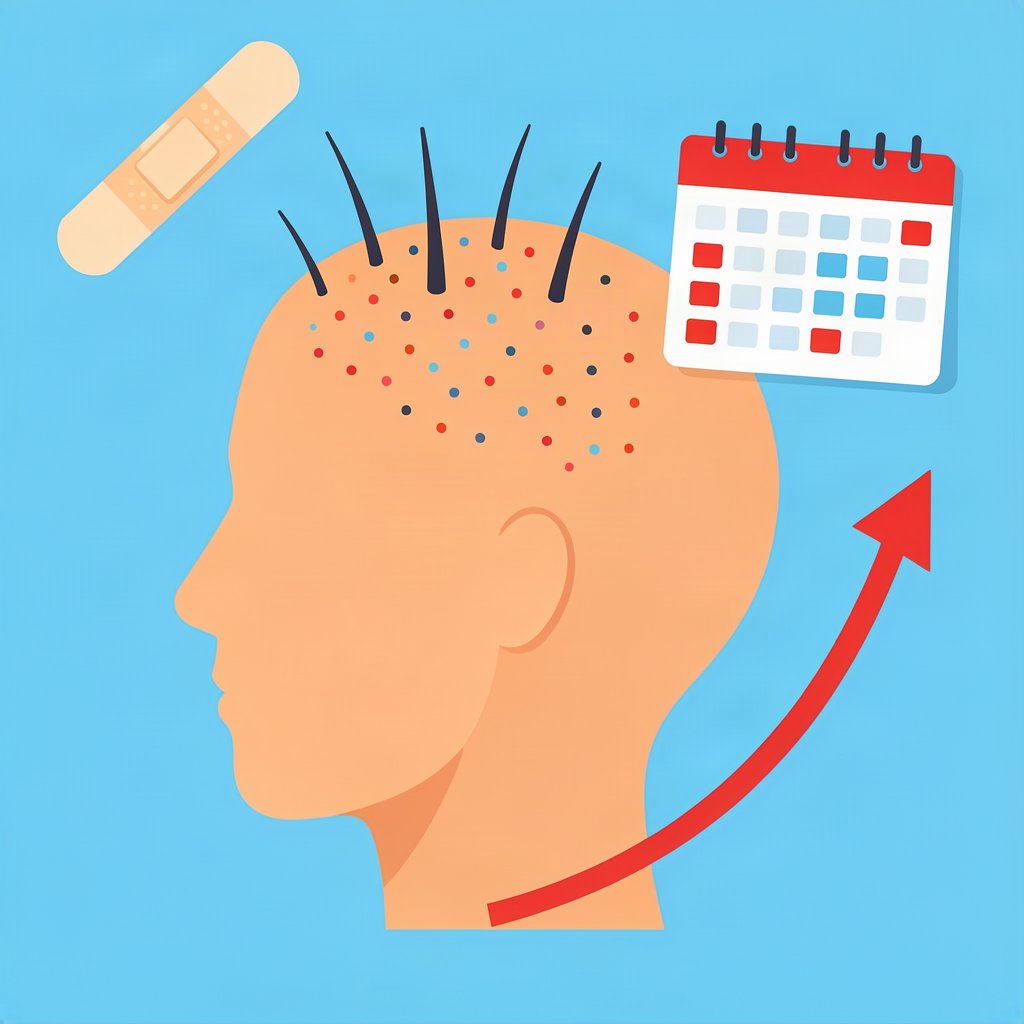
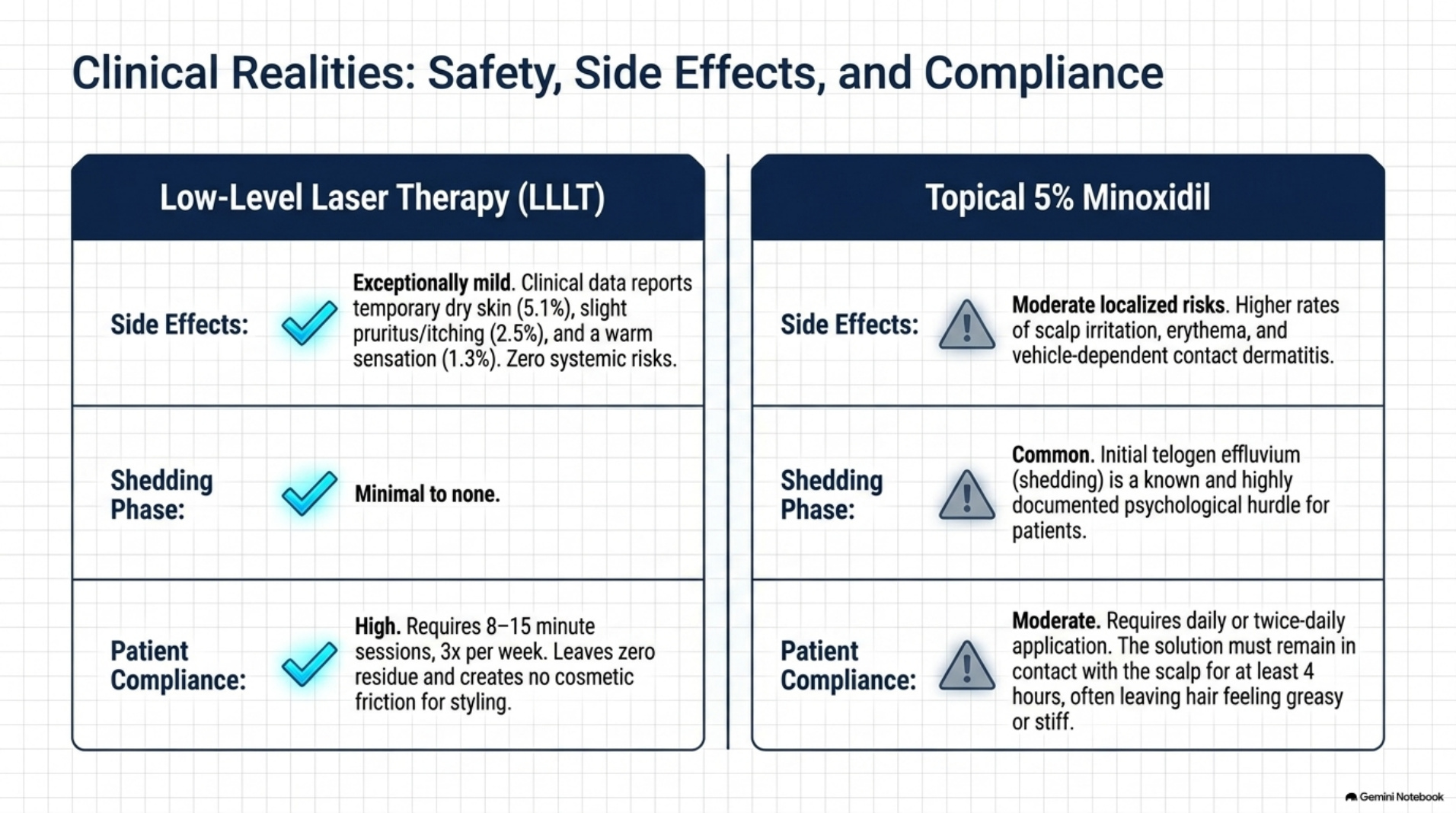
Topical 5% minoxidil is exceptionally mild: temporary dry skin (5.1%), slight pruritus (2.5%), and a warm sensation (1.3%), with zero systemic risks. LLLT shows moderate localized risks — higher rates of scalp irritation, erythema, and vehicle-dependent contact dermatitis. And both can cause an initial shedding phase that alarms patients into stopping — right when the treatment is starting to work.
The Takeaway
Real hair restoration is a maintenance game, not a miracle game. The evidence supports proven medications, consistent LLLT use, and combination protocols — and it's harsh on supplements and untested "revolutionary" products. A professional evaluation maps your stage of hair loss to the right tier of the hierarchy.
Get matched with hair restoration professionals →
Ready for a Professional Review?
We can connect you with qualified hair restoration professionals who can map your situation to the right treatment.
Get Matched with Hair Restoration Professionals